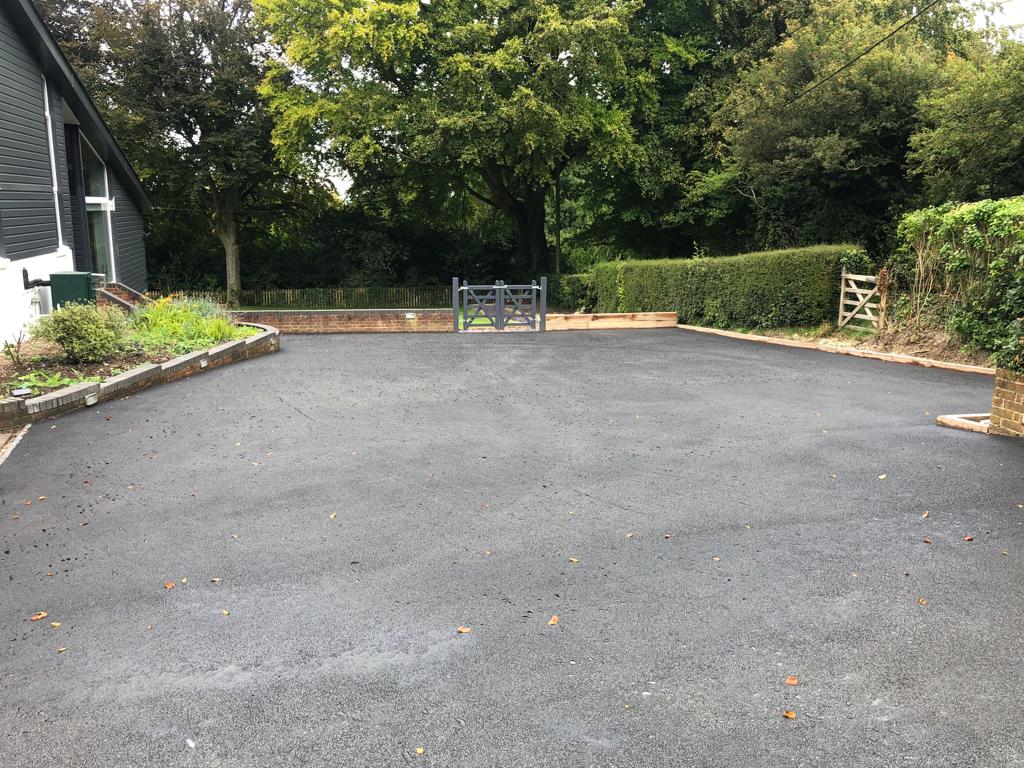
How asphalt performs under regular use
Asphalt is commonly used for roads, car parks, accessways and other surfaces that need to handle frequent vehicle movements. Its smooth, continuous finish supports steady traffic flow, while its flexibility helps it accommodate everyday changes in load and temperature.
Whether it is suitable for a particular high-traffic area depends on more than the surface material. Traffic volume, vehicle weight, ground conditions, drainage and construction quality all affect how well the finished pavement performs over time. In Barmera, SA, these factors should be considered together when planning a new asphalt surface or improving an existing one.
What makes asphalt a practical choice?
A properly designed and constructed asphalt surface can offer several advantages in busy areas:
- A smooth finish that is comfortable for vehicles to travel over
- A continuous surface that avoids loose gravel and uneven joints
- Flexibility to accommodate normal movement in the pavement
- The ability to repair or resurface worn sections when needed
- Clear surface markings where traffic routes or parking bays need definition
These qualities can make asphalt suitable for sites such as commercial accessways, shared driveways and car parks. The design still needs to reflect how the area will be used. A surface carrying frequent heavy vehicles may require a different pavement structure from one mainly used by cars.
Why the base and drainage matter
Asphalt relies on a stable foundation. If the ground or pavement base is weak, repeated traffic can contribute to rutting, depressions, cracking or potholes. Applying a new asphalt layer over an unstable base may improve the appearance temporarily, but the underlying problem can cause damage to return.
Drainage is also important. Water that collects on the surface or enters through cracks can weaken supporting layers and speed up deterioration. Before surfacing work begins, the site should be assessed for its ground condition, water flow and existing damage.
Matching the surface to traffic demands
A suitable asphalt pavement is planned around the expected use of the site. Relevant considerations include the number and type of vehicles, turning and braking movements, loading areas and the condition of the existing surface. Heavy vehicles can place concentrated stress on particular sections, especially where they turn, stop or park regularly.
A contractor can use this information to recommend appropriate preparation and surfacing work. Depending on the condition of the site, the work may involve repairs, improvements to the base or drainage, or resurfacing a wider area.
Keeping a busy asphalt surface in good condition
Routine attention can help identify developing issues before they spread. Property owners and site managers should look for:
- Cracks that are widening or appearing in several areas
- Potholes or loose edges
- Wheel ruts or depressions where vehicles regularly pass
- Water pooling after rain
- Repairs that are breaking down repeatedly
Addressing the cause of damage can help protect the surrounding surface and support more reliable use. Regular inspection is particularly useful where traffic is frequent or includes heavier vehicles.
Conclusion
Asphalt can be a suitable option for high-traffic areas when the pavement is designed for the site’s use and built on a stable, well-drained foundation. For property owners in Barmera, SA, Barmera Road Tech SA can assess the surface and discuss a practical approach to asphalt repairs or resurfacing. Get in touch to arrange an assessment.
Call us on: 08 5122 4154
Click here to find out more about Barmera Road Tech SA
Click here to complete our contact form and see how we can help with your roofing needs.